

How Independent Coffee Shops Win on More Than Great Coffee
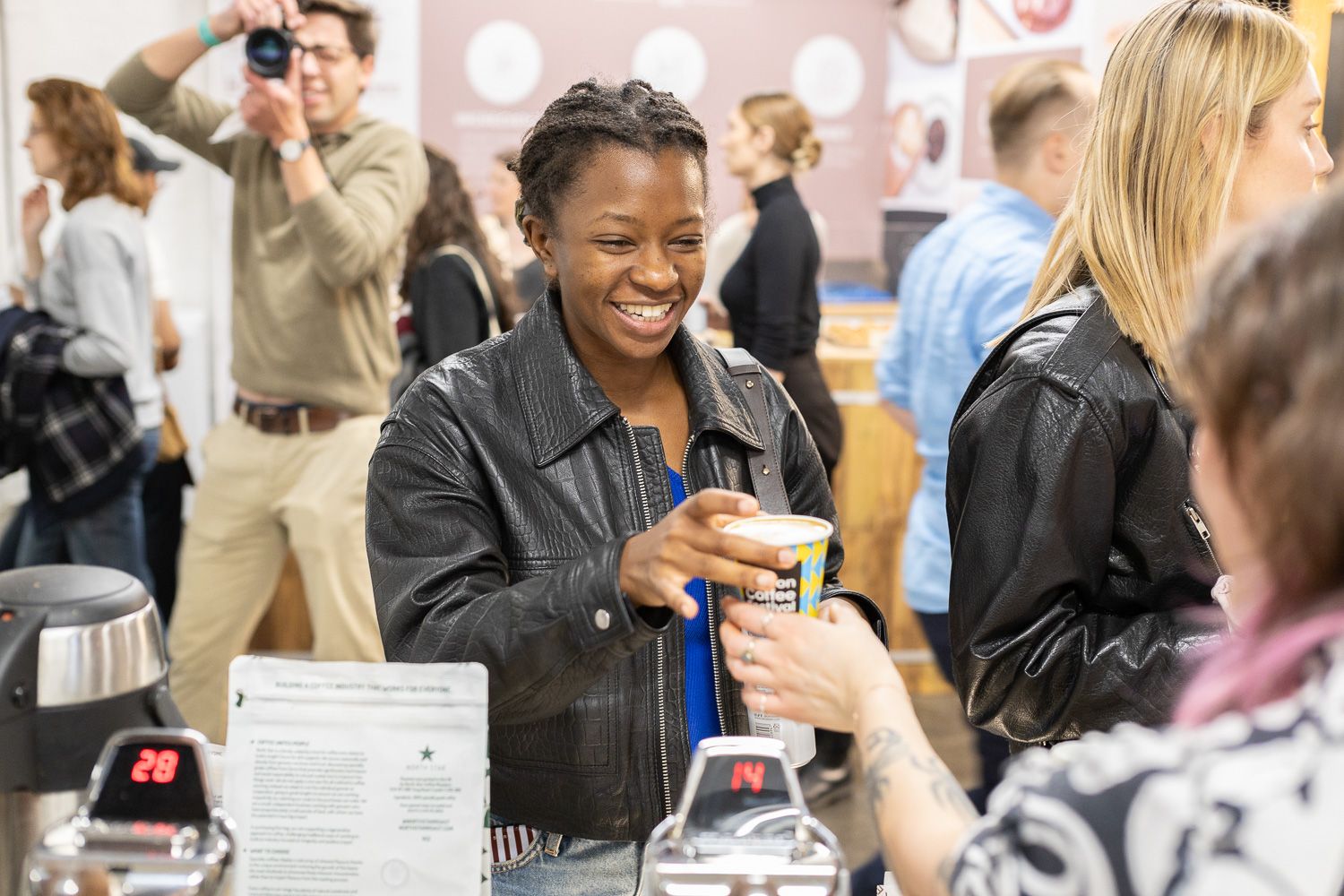
- Event: The London Coffee Festival 2026
- Session dates: 14 May 2026 (Ones to watch in 2026) and 15 May 2026 (On your radar: Coffee outside of London)
- Speakers:
- Andy Adams, Senior Roaster, Trading Post Coffee Roasters, Brighton
- Emmerson Kelly, Barista and Marketing Strategist, Dareshack, Bristol
- Illyus Brown, Owner, Brown Sugar Coffee and Records, Glasgow
- Sophie Wu, Owner, Qubic Cafe, London
- Alex Barr, Owner, Nido, London
- Liam Clifford, Owner, Moonstruck Cafe, London
- Devi Trianna, Founder, Bija Coffee, London
- Nichola Reeder, moderator
- Estimated read time: 12 minutes
Quick read summary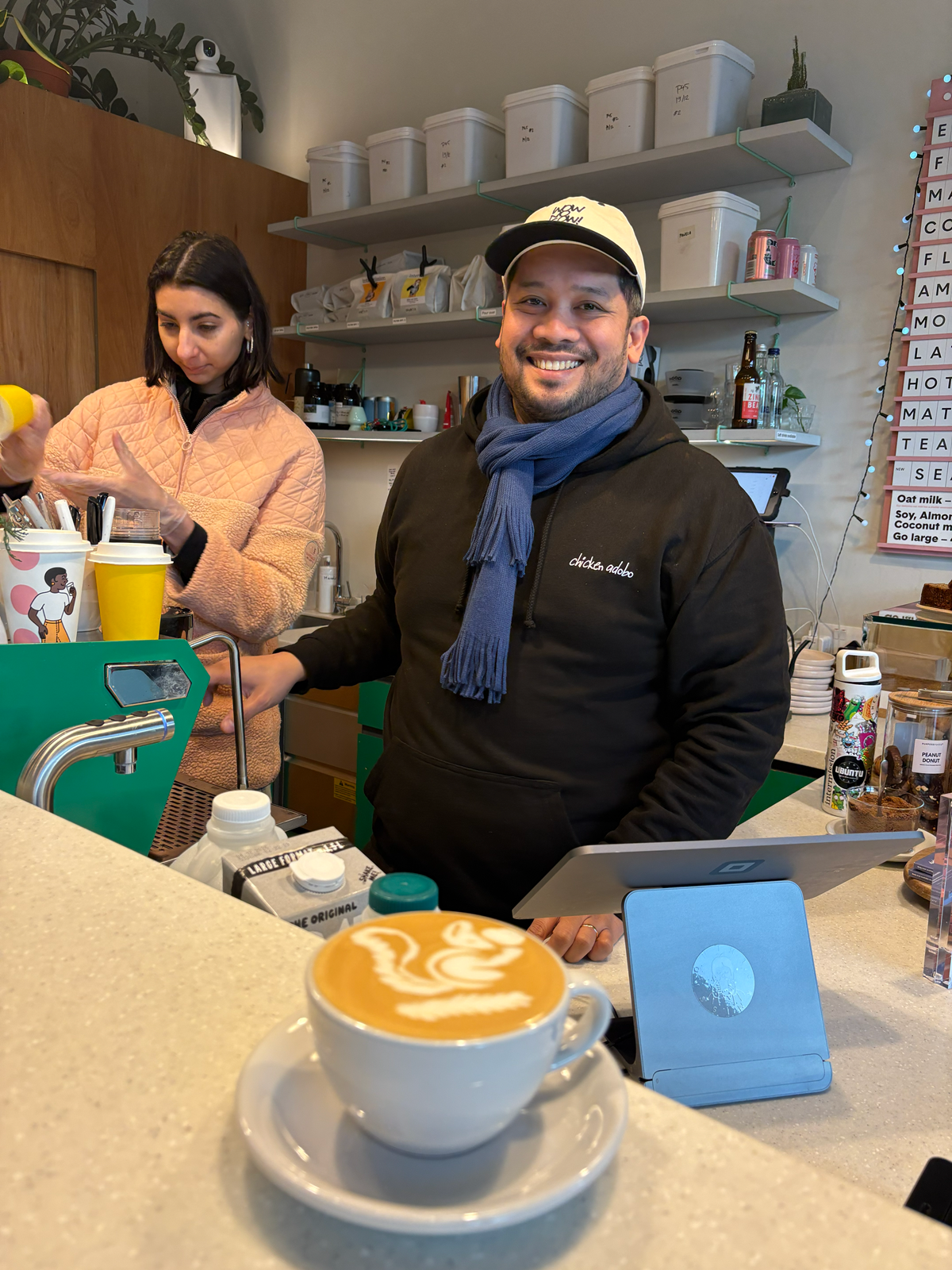
- The strongest independent coffee shops now compete on community, a clear concept and consistency, not on the quality of the cup alone.
- This matters because costs are rising fast and a good flat white no longer separates one operator from the next.
- Customers are more educated and more careful with money, so they reward shops that give them a reason to belong.
- Operators across Brighton, Bristol, Glasgow and London advise picking a concept first, then a location and a team that fit it.
- The immediate step for any new operator is to define what makes the shop irreplaceable before signing a lease.
Illyus Brown, owner of Brown Sugar Coffee and Records in Glasgow, opened his answer with a warning, not a pitch. Asked how he built his shop, he said the honest version first: do not build a coffee shop, and he meant it, because he had asked himself more than once why he started.
Then he described a regular, a granny who comes in for a long black, and called serving her the best thing in the world. Two operators on two festival panels, one new to the trade and one running six sites, kept arriving at the same conclusion from opposite ends of the market. The cup gets people through the door. Everything that keeps them coming back sits somewhere else.
Why is great coffee the entry ticket and not the edge?
Every operator on these panels can pull a good shot. That is the point at which the contest starts, not where it ends. Sophie Wu, owner of the chemistry-themed Qubic Cafe in London, argues there is no such thing as good or bad coffee, only preference, which reframes the barista's job from gatekeeper to guide. Andy Adams, senior roaster at Trading Post Coffee Roasters in Brighton, made a related point about competition: with six sites in Brighton alone and dozens of cafes nearby, he sees abundance rather than a fight for the same customer.
For Brown, the differentiator is human, not technical. The relationship is the product.
I think the experience of getting to know the human that's in the place is probably more valuable than any cup of coffee that's here today as well.
If the bond with the person behind the counter outranks the drink, then quality is a baseline cost of entry and the real investment goes into people and place. That is where the rest of this article goes.
Great coffee gets a customer through the door once. The relationship behind the counter is what brings them back.
What turns a cafe into a genuine third space?
The most repeated idea across both panels was the cafe as a third space, somewhere between home and work where people choose to spend time. Emmerson Kelly, barista and marketing strategist at Dareshack in Bristol, described a 150-seat studio used for comedy nights and events, coffee grounds bagged up for customers to take away for composting, and barista-led fundraising that raised £750 for the National Autistic Society. Alex Barr, owner of Nido in East Dulwich, who left a tech career for coffee, watched regulars start their own spin-off clubs inside his shop, so the space began telling its own story.
The driver, in Kelly's account, was never a policy document. It was the team.
If your baristas are laughing, your customers are noticing, and they want to be there even more.
A shop that wants a local following has to staff for it, then give those people room to run events and ideas of their own. The practical implication is a hiring and management choice, not a marketing one: recruit people who want to build something, and the room fills itself.
How do you make specialty coffee feel welcoming, not exclusive?
Specialty coffee can read as a closed club, and several operators have built their offer specifically to open it up. Kelly meets new customers with a single question, what sort of vibe are you after, which lets the same bar serve a quick flat white or an experimental pour without anyone feeling judged. Liam Clifford, owner of Moonstruck Cafe in London and a self-described coffee enthusiast, sets his house espresso to a coffee most places would charge extra for as a guest option, so an ordinary order quietly becomes a better one.
Wu frames the philosophy plainly.
I always say there's no definition about good coffee and bad coffee. It's all about preferences and taste.
Treating taste as personal rather than hierarchical turns education into hospitality. The takeaway for operators is to lead with the customer's preference and let curiosity, not correction, carry the lesson.
Does the concept matter more than the location?
New operators tend to chase footfall. The founders on the Ones to Watch panel argued the reverse: footfall without fit is a trap. Barr put it as a rule that doubles as a warning against the obvious site.
Just because a location has high footfall doesn't mean that it's right for your concept. Pick a location that is correct for your concept.
Devi Trianna, founder of Bija Coffee, a former broadcast journalist who opened the shop to bring Indonesian beans to central London, made the partner point that a clear idea cuts through a crowded market more reliably than a busy street does. Her shop sits in a quieter pocket in St James’s Market and leans on storytelling, with Indonesian drinks customers ask about by name. Brown took the same view in Glasgow, deliberately drawing people to a quieter area rather than competing on a high street.
A high-footfall site is worthless if it does not fit the concept. Choose the location your idea needs, not the one with the most passers-by.
Concept first, then the site and the story that match it. For anyone weighing a lease, that ordering is the difference between a queue and an empty room.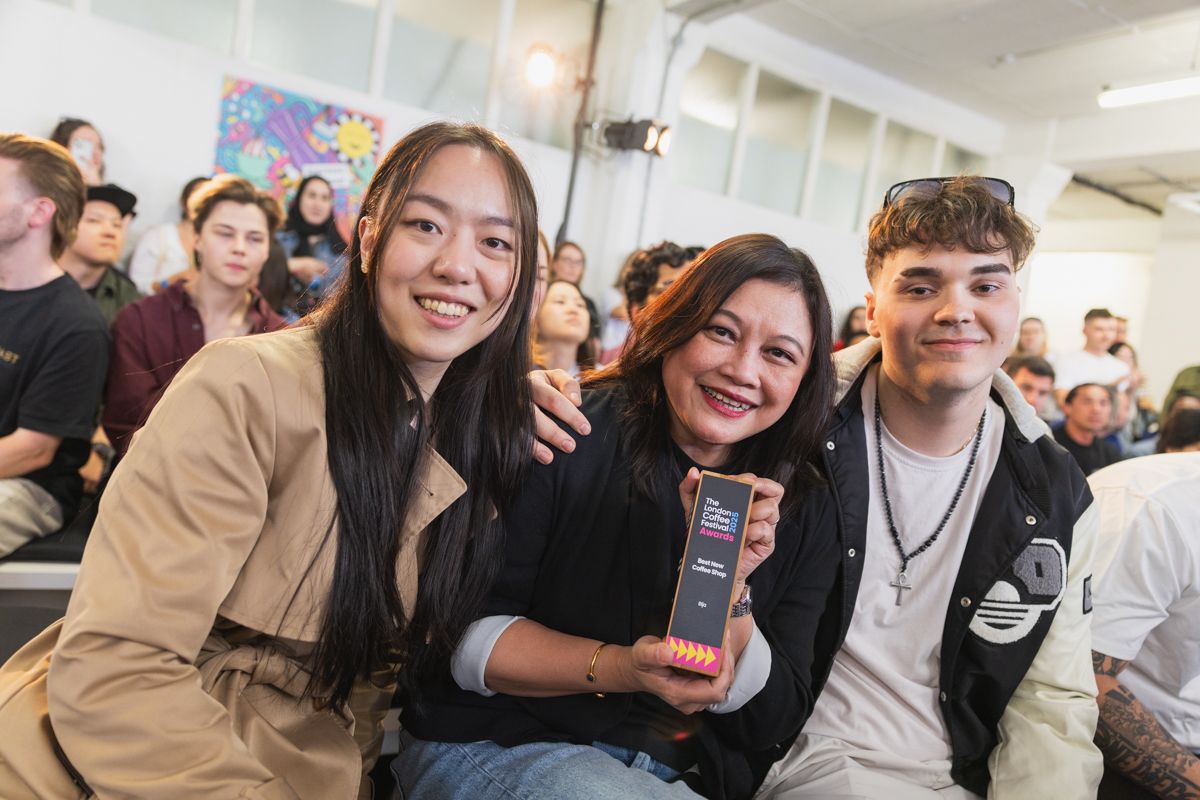
How are independents protecting margins without losing customers?
Cost is the pressure under every other decision. Bean prices, wages and the cost of running a site have all risen, and operators are absorbing what they can before passing the rest on. Kelly ended up explaining climate change and supply chains to a regular who asked why a drink cost more than last week. Adams sees the squeeze hardest on the roasting side, where producers reasonably want more and the alternative is being priced out.
He expects the customer to feel it too.
I think people will turn around and go, well, I don't wanna spend £7 on the shot and then extra on the milk for my coffee every single time.
The honesty matters commercially. Operators report that customers accept price rises when the reason is explained with care, which makes transparency a retention tool rather than a risk.
Which coffee trends are independents actually betting on?
Trend-chasing is the obvious mistake, and these operators are wary of it. Adams predicts a swing back to well-roasted washed coffees as experimental co-ferments get expensive, arguing an affordable coffee roasted well can sing.
Matcha came up on both panels, with Clifford and Wu offering ceremonial grade matcha prepared by hand rather than batched, and Wu adding hojicha, a roasted green tea, as a lower-caffeine alternative that customers are starting to ask for.
On automation, the line was consistent: use it to free the barista, not replace them. Clifford described grind-by-weight, gravimetric shots and a puck press built quietly into his kit, while Barr framed his stance as humans first and optimise where you can. The implication for operators is to adopt the tools that buy back time for conversation, and to treat any trend as a guest on the menu rather than the headline.
What should you sort before you open?
The advice across both panels reduces to a short pre-opening checklist, each item drawn from an operator who has done it:
- Define what makes the shop irreplaceable before anything else. Wu and Trianna both led with a clear vision.
- Choose a location that fits that idea, not the one with the highest footfall.
- Work behind a bar in the industry first if you have not. Clifford recommended exactly this, and Colin Harmon’s book What I Know About Running Coffee Shops, which opens with the same advice.
- Start resourcefully and small. Brown pointed to operators running a single grinder or a desk in a gallery rather than waiting for a full premises.
- Hire for attitude and invest in the team.
- Keep the menu tight and consistent, customers forgive a mistake but not inconsistency. Trianna highlighted Bija’s approach of focusing on consistency rather than chasing trends.
What this means for independent coffee shop operators
- Before signing a lease, write down the one thing that makes your shop irreplaceable, then judge every site and hire against it.
- When you raise prices, brief your team to explain the reason plainly, because the conversation protects the relationship that drives repeat custom.
- If you are adding matcha or a trend drink, decide whether it supports your core offer or distracts from it before it reaches the menu board.
- Treat new equipment as a way to give baristas more time with customers, not as a headcount saving.
- If you operate outside London, lean into local identity and the people on your doorstep rather than copying a city-centre template.
FAQ
What is an independent coffee shop?
An independent coffee shop is an owner-run cafe operating outside the major branded chains, usually a single site or a small group under one owner. Operators at the London Coffee Festival described independents competing on concept, community and consistency rather than scale.
Why do independent coffee shops matter in the UK right now?
Rising bean prices, wages and operating costs are squeezing margins, so the shops that survive are the ones giving customers a reason to return beyond the drink. Festival operators in Brighton, Bristol, Glasgow and London all pointed to community and a clear identity as the deciding factor.
How do you make specialty coffee accessible to new customers?
Lead with the customer's preference rather than correcting it, and set a high-quality default so an ordinary order is already a good one. Operators recommended meeting people where they are and treating education as hospitality.
How do you open a coffee shop that stands out?
Start with a concept that is genuinely different, then choose a location and team that fit it, and work in the trade first if you can. Operators stressed clarity and consistency over chasing footfall or trends.
Which coffee trends should operators watch?
Co-ferment and experimental processing remain popular but costly, and several operators expect renewed interest in well-roasted washed coffees. Matcha and hojicha are growing, best handled as considered additions rather than the main event.
Conclusion
The pattern across both panels was unmistakable: from a new owner in Glasgow to a multi-site roaster in Brighton, the cup is the cost of entry and the bond with the customer is the edge.
Costs will keep rising and trends will keep turning, so the operators who last are the ones with a concept clear enough to explain in a sentence and a team worth coming back for. As Brown put it, a granny ordering a long black can be the best thing in the world, and a shop built to mean that to its neighbourhood is one built to survive. To follow more from the festival programme and its operators, join the London Coffee Festival mailing list.
About the speakers
Based on sessions delivered at the London Coffee Festival 2026. Edited from the original transcripts for clarity, structure and long-term reader value.
Senior Roaster, Trading Post Coffee Roasters, Brighton
Adams roasts and trains baristas across Trading Post's Brighton and South Coast sites and speaks with the authority of a multi-site operator on supply chains, producer economics and scene health.
Barista and Marketing Strategist, Dareshack, Bristol
Kelly works the bar, runs the shop's social channels and has built a barista-led community programme of events and fundraising.
Owner, Brown Sugar Coffee and Records, Glasgow
A music producer and DJ before opening his shop, Brown built Brown Sugar around community and records in an area he has family ties to.
Owner, Qubic Cafe, London
A chemist by background, Wu brought a coffee mixology concept to the London market and serves drinks in laboratory glassware.
Owner, Nido, London
Barr moved from a tech career to open Nido in East Dulwich with his wife, building the brand around warmth, community and a Philippines-inspired story.
Owner, Moonstruck Cafe, London
A self-described coffee enthusiast, Clifford runs Moonstruck near Vauxhall on a default-quality model and a focus on workflow and equipment.
Founder, Bija Coffee, London
A former broadcast journalist, including time at BBC World Service, Trianna founded Bija to elevate Indonesian specialty coffee and establish Bija as a trusted reference point and go-to destination for Indonesian specialty coffee in London.


