)
)
Beyond the Cup: How Coffee Creates Careers, Connection and Community
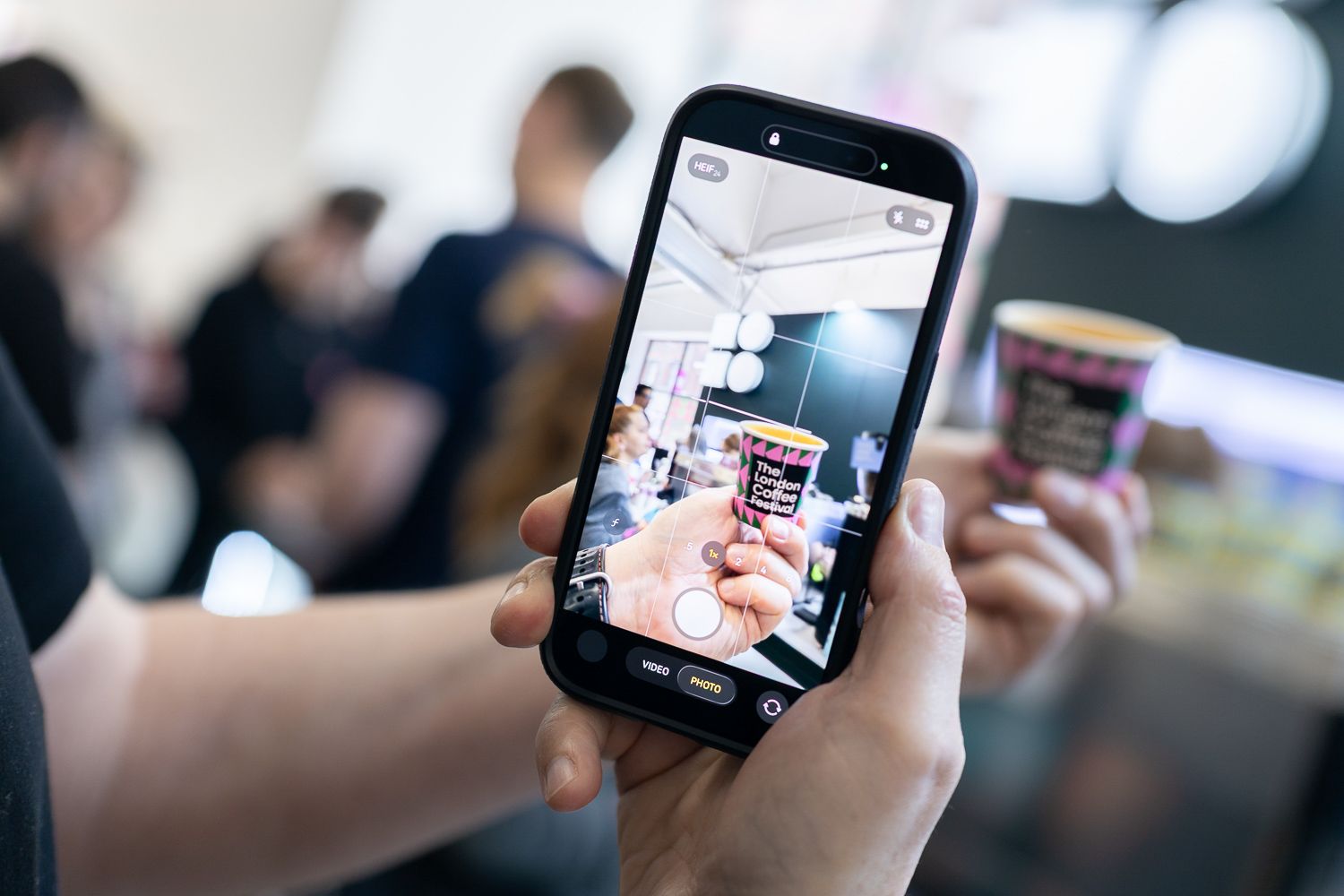
Based on the sessions “Pathways to purpose driven careers in coffee” and “Coffee Culture: The relationship between coffee and performance”, delivered at The London Coffee Festival, 2026.
- Speakers:
- Matt Fleming, General Manager, Feel Good London
- Jodie Williams, Olympian and founder and creative director, Listen Journal
- Lina Nielsen, Olympian, yoga instructor and advocate
- Sere Zhang, Director, A’wa Coffee
- Illyus Brown, Owner, Brown Sugar Coffee & Records
- Estimated read time: 11 minutes
Quick read summary
- A social enterprise coffee shop proves the trade’s real value lies in the people it connects and the chances it offers, not the drink alone.
- As self-service replaces human contact across retail, hospitality remains one of the few trades still built on face-to-face connection and first jobs.
- Purpose-led coffee businesses are scaling, turning training and employment for people without qualifications into a commercial model rather than a charitable add-on.
- Matt Fleming argues operators should give inexperienced people a chance, and should mentor those they cannot afford to hire rather than waiting to employ.
- After reading, offer one person who has no way into the trade a shift, a conversation or your time this month.
 On a Sunday morning at The London Coffee Festival, Matt Fleming shared a simple story about an everyday errand. The day before, he had gone clothes shopping across three different stores and left without speaking to a single person.
Every till was self service, removing the kind of human interaction that was once a normal part of the shopping experience. The detail stuck with him, since it threw into relief what his own trade still does that most others have quietly abandoned. It puts people in the same room.
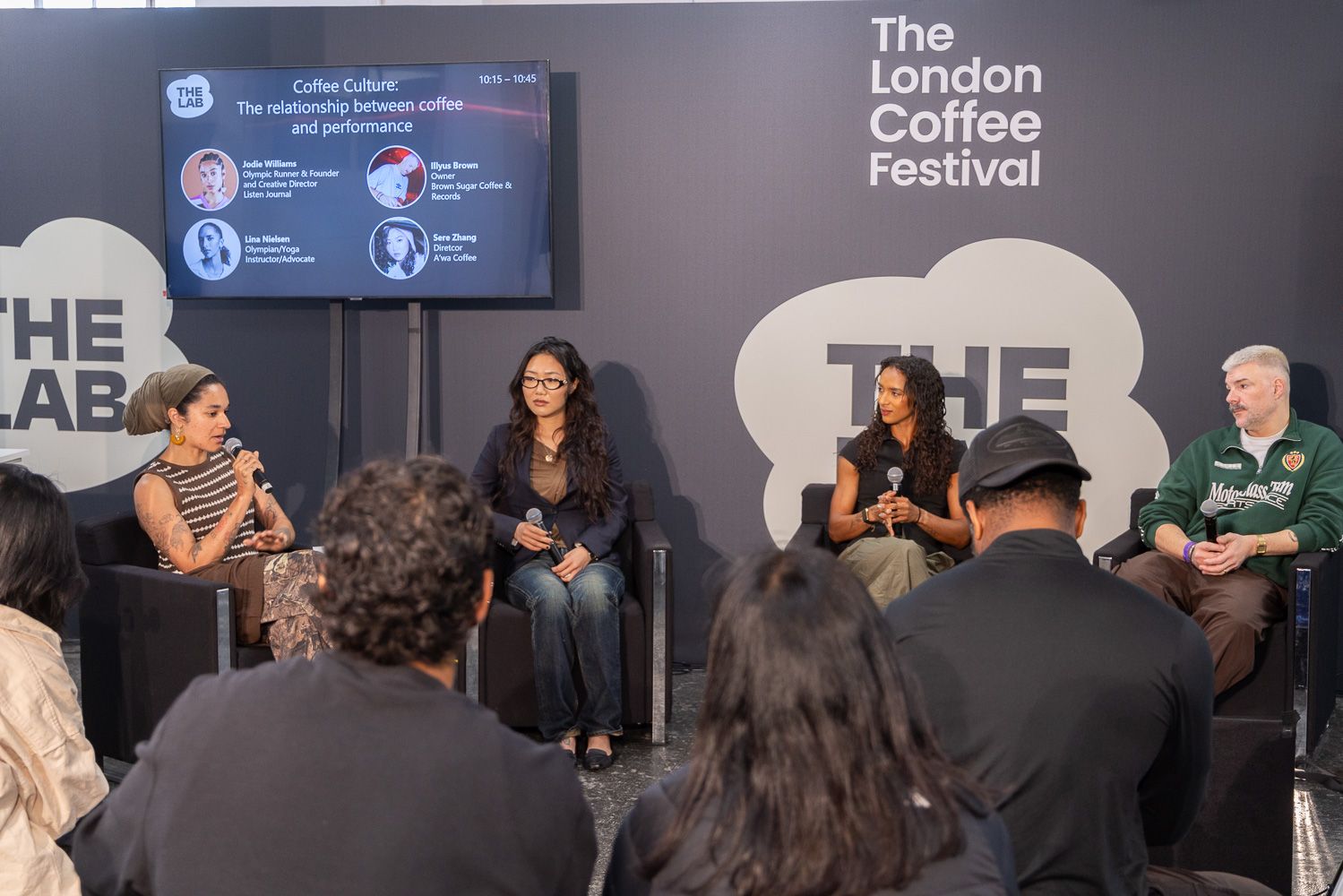
Two festival sessions, one on careers and one on coffee and performance, reached the same conclusion from opposite sides of the counter. The people who serve coffee and the people who drink it both described the cup as a way into something larger than caffeine.
For one set of speakers that meant a first wage and a sense of worth, and for the other it meant identity, heritage and a daily anchor. Read together, they make one argument: coffee earns its place in a life through connection, and that is exactly what lets it include people other industries leave out.
What makes coffee more than the drink in the cup?
Jodie Williams, an Olympian and the founder and creative director of Listen Journal, chaired the performance panel and kept returning to a single idea. The cup is rarely the point.
I think that’s the beauty of coffee. It’s never just coffee. It’s often a stepping stone into something much bigger.
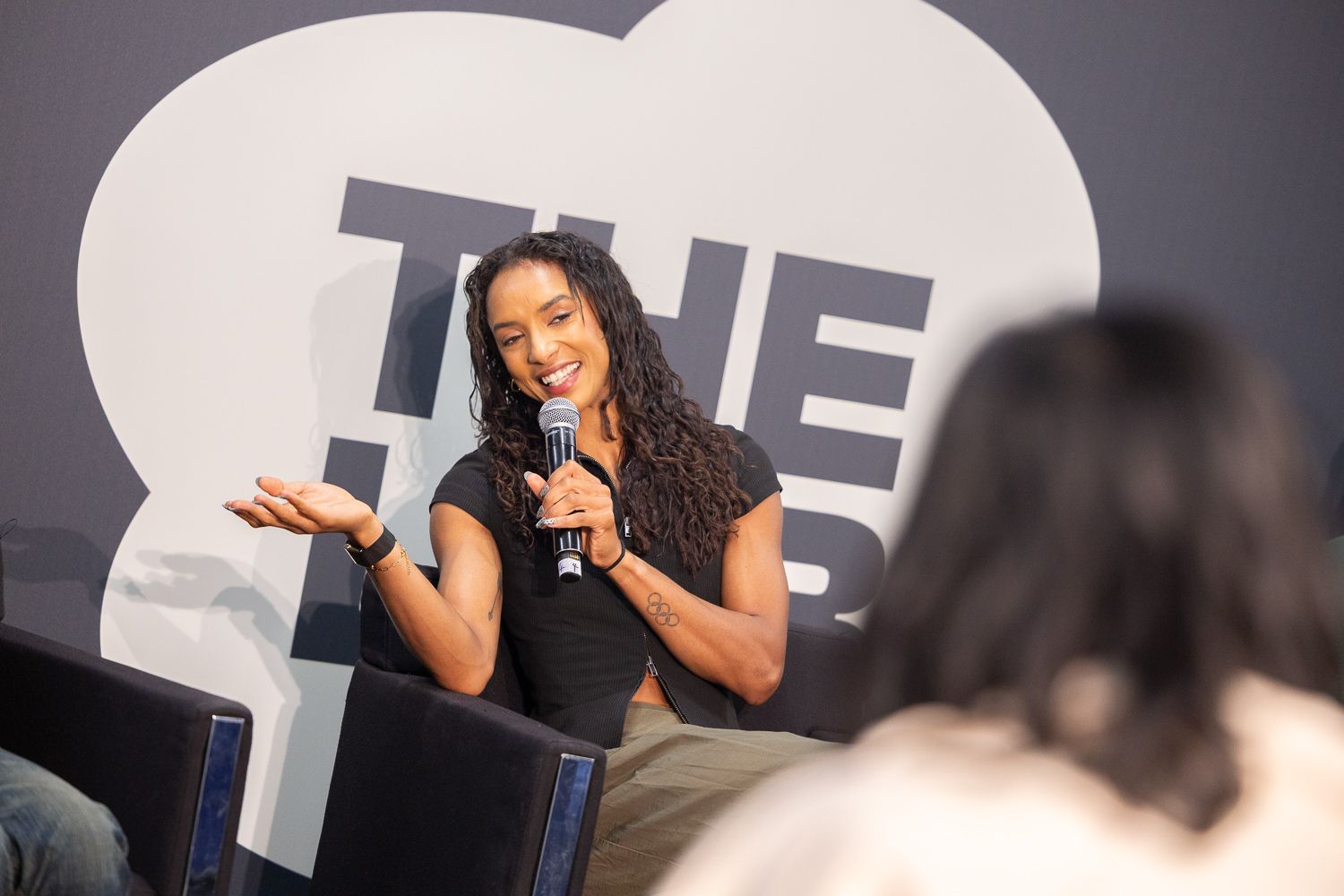 Williams built Listen Journal as a space for women of colour to tell their own stories, with coffee treated as ritual rather than fuel, so for her the drink is a doorway to creativity and connection.
Illyus Brown, owner of Brown Sugar Coffee & Records, reached the same view from behind his own counter, where he runs a coffee shop and a record store together.
Brown opened the shop after stepping away from a career in music, and found that its real product was the conversation rather than the flat white. For any operator, the lesson is that the relationship across the counter is the asset, and it is the one thing automation cannot copy.
How does a social enterprise coffee shop actually work?
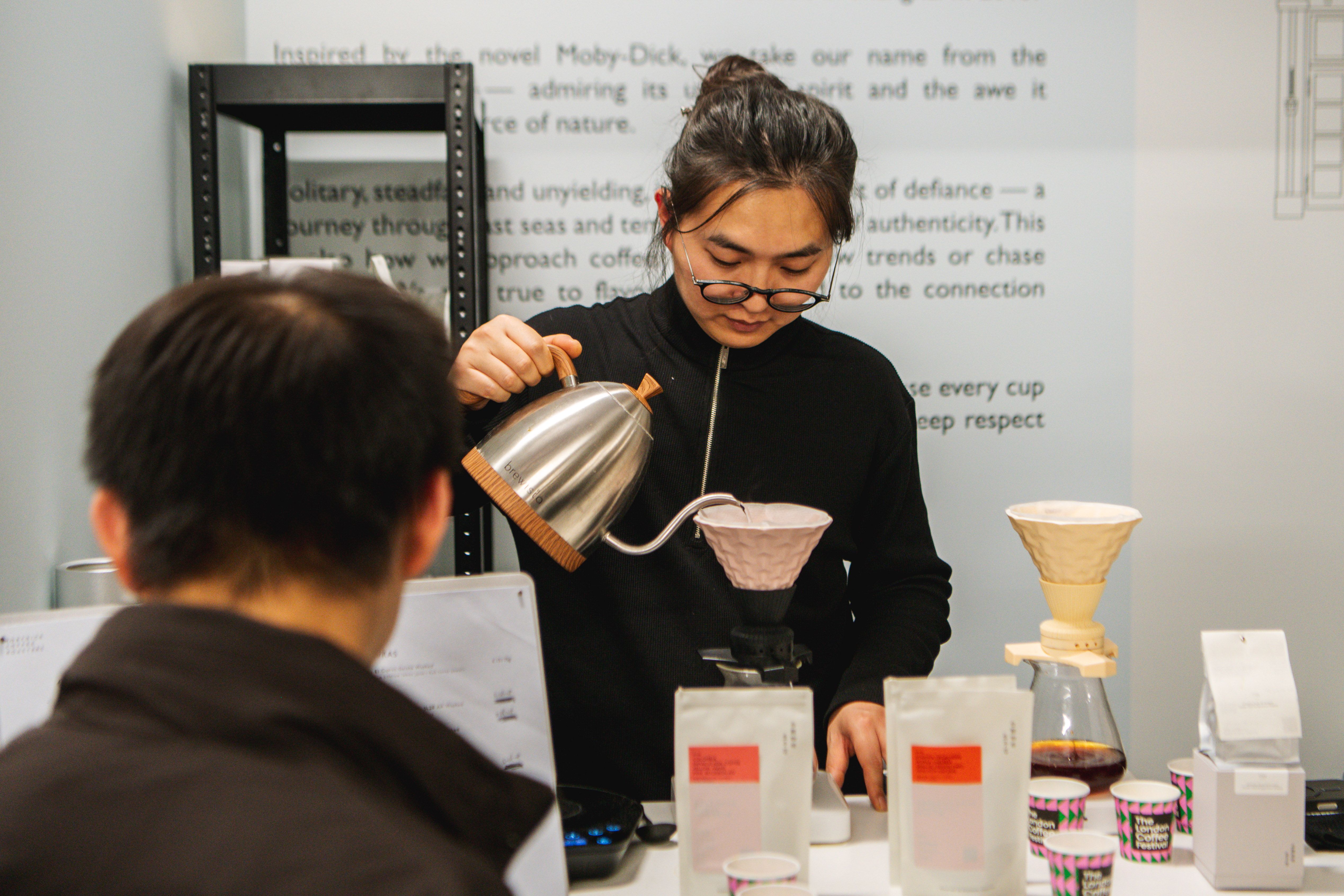 When an audience member admitted they had never heard the term, Fleming gave the clearest definition of the day. A social enterprise sits between a business and a charity: it trades and takes payment like any company, but its income is tied to a social objective and it must show where the money goes.
Feel Good London is owned by a youth charity and launched in 2014, growing out of youth clubs in Roehampton that supported 11 to 16 year olds. From 2014 to 2018 the team made sandwiches in a youth-centre kitchen, an idea Fleming admits struggled to sell. He joined in 2018 and brought coffee into the model, reasoning that the trade builds confidence, routine and purpose in a way sandwiches never did.
The growth since has been steady. The first coffee cart arrived in 2018, a permanent shop opened in 2024, and Fleming has just signed a lease on a second site in Tooting. Last year the business placed 51 young people into employment, training each for a year and inducting a fresh cohort of 10 to 15 every quarter through referrals from social services and youth justice teams and other youth organisations.
A social enterprise is not simply a business that supports a good cause. It is a business built around one. Its income, decisions and surplus are directed towards a social purpose, rather than the cause sitting alongside the commercial work as a charitable add-on.
For an operator weighing the model, the test Fleming implies is simple. The commercial engine and the social aim have to be the same thing, not two activities running side by side.
Why does coffee work as a route into employment?
Fleming has spent more than a decade in coffee and could talk equipment and networking all day. What drives him is narrower and more personal.
But I actually have a deeper purpose, and that is working with young people in our local community.
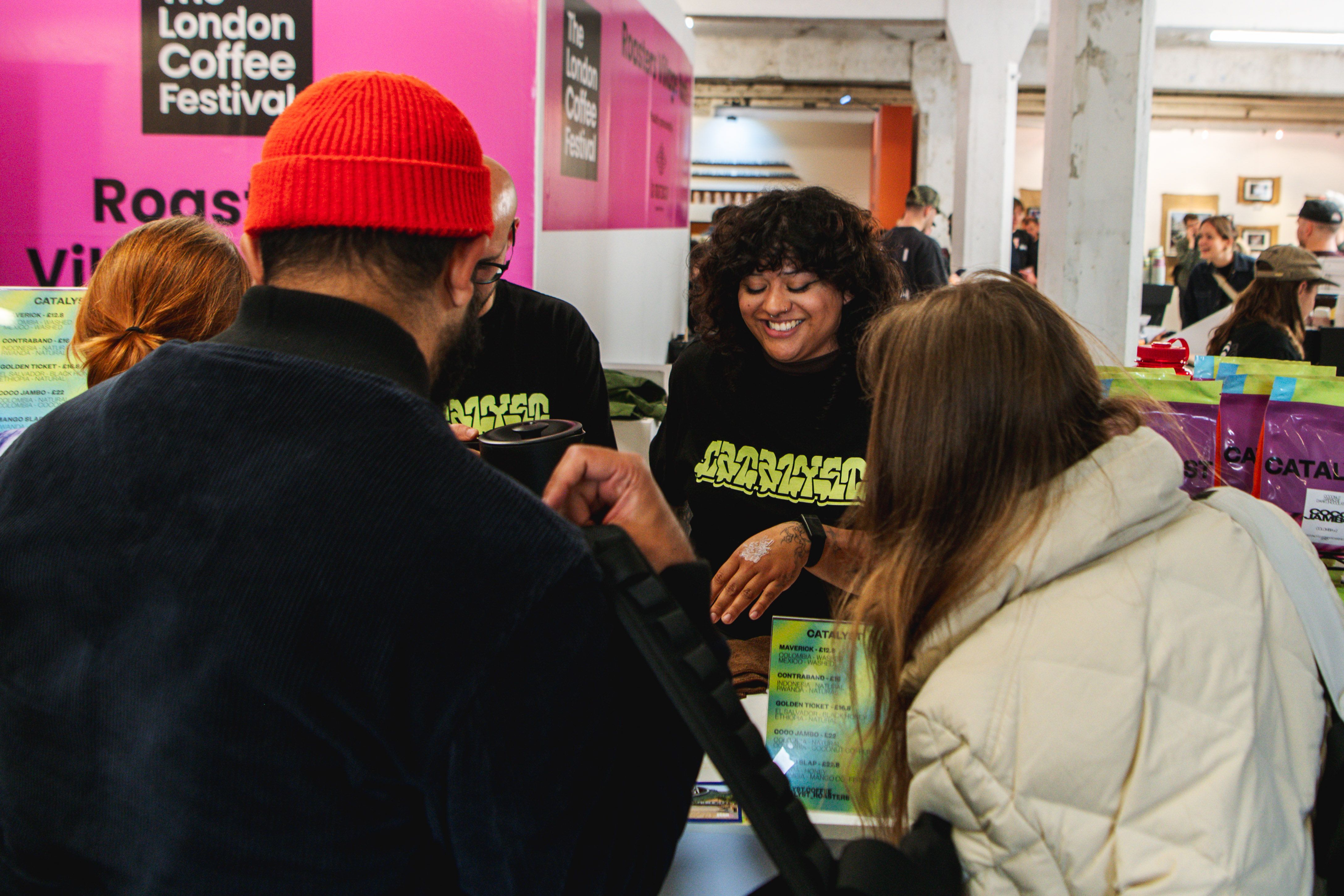 The skills the job teaches, from customer service to timekeeping to handling a bad morning without showing it, transfer to almost any workplace, which is why Fleming treats a coffee role as a gateway rather than a destination. He is candid that most move on, with around 90 per cent of his trainees leaving the trade, and he counts that as success because for many it was the first job they had ever held.
He has worked with over 300 young people across six years, including arrivals who turned up with no CV and no qualifications and built careers from shifts behind a coffee bar. For anyone asking how to become a barista or start a career in coffee without contacts, his account points to the same answer. The way in is often an independent willing to take a risk, not a formal certificate.
Can a daily coffee ritual build a sense of belonging?
The performance panel approached the same human thread from the drinker’s side of the counter. Lina Nielsen, an Olympian, yoga instructor and advocate, described coffee as the fixed point in an athlete’s unpredictable life, a routine she carried from one foreign competition to the next, and one she traced back to watching her grandmother hand-roast beans in Sudan.
Sere Zhang, director of A’wa Coffee, which sources from China’s Yunnan region, described the same grounding effect for anyone far from home.
You might not speak the same language with whoever made it, but you just feel like you got a part of your day that’s familiar.
For Zhang the ritual crosses language and culture, which is why the panel kept framing coffee as a way to belong rather than simply a drink to buy. Williams added her own thread, tracing her connection to learning that coffee ceremonies were historically led by Ethiopian women, a history she said deepened her relationship with the cup.
The ritual that grounds an Olympian before a race is the same one that grounds someone far from home. The act does not change. Only the setting does.
For brand and marketing teams, this marks the difference between selling caffeine and selling belonging, and the second is far harder for a chain to commoditise.
How can an independent coffee shop open the door to someone new?
Fleming closed his session with a direct challenge to the room, aimed at operators who assume that widening access needs a hiring budget.
I think mentoring’s underrated. I think if you’re unable to employ people, give them your time.
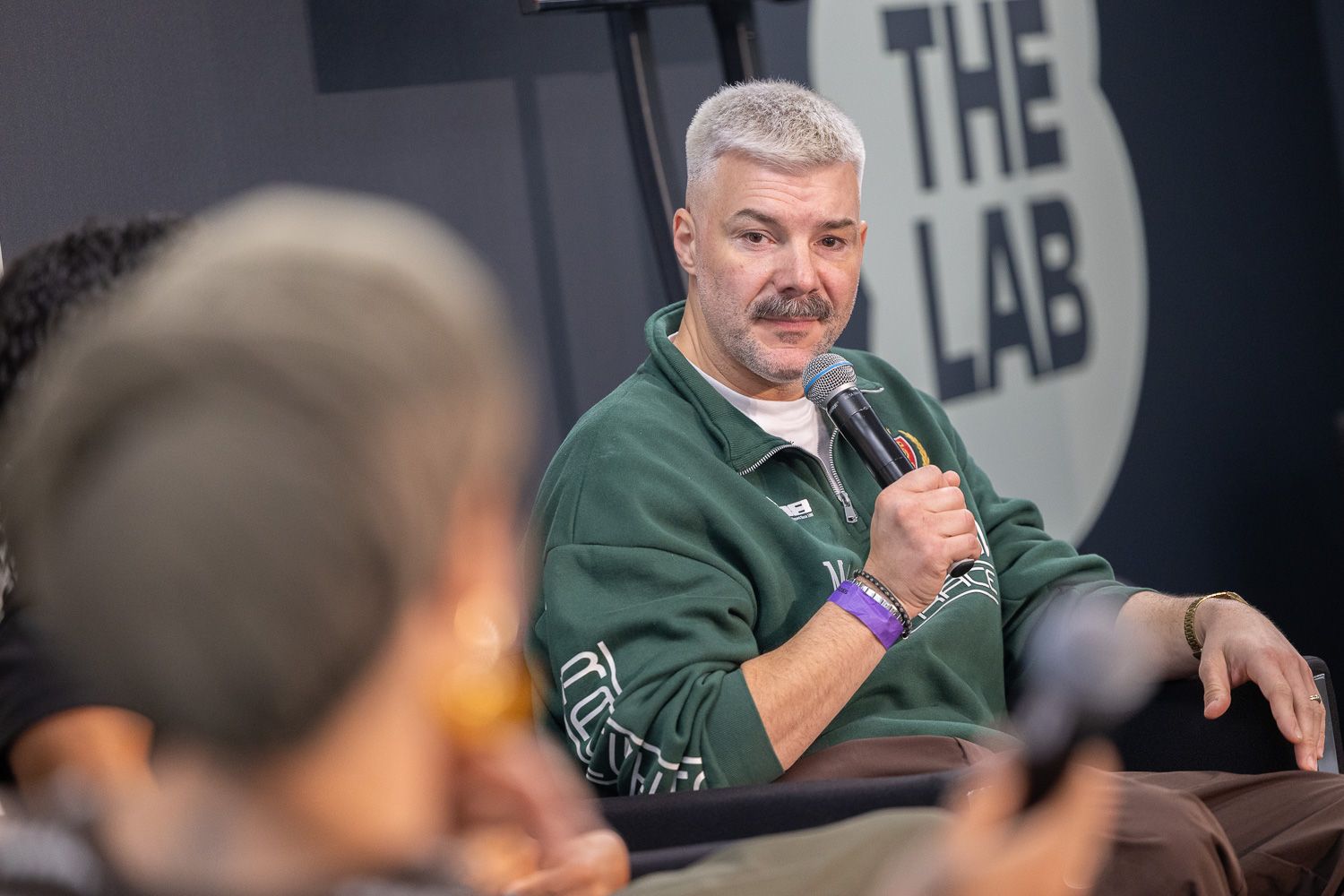 His point was that opening the trade costs little more than a willingness to share time and contacts. A short checklist for an independent that wants to do it:
- Take a chance on inexperience. Interview for attitude rather than a CV and build the training around the person.
- Run development days. Feel Good uses regular sessions on life skills and on parts of the trade beyond the bar.
- Look past the espresso machine. Fleming exposes trainees to wholesale, roasting and even recruitment, because the field is far wider than the counter.
- Partner with a referral route. Social services, youth justice teams and local charities can connect a business to people who need a first chance.
- Mentor when you cannot hire. A coffee and a conversation with someone trying to break in can open a door that money cannot.
What this means for coffee professionals
- For independent operators: before assuming you need experienced staff, test whether a structured first-job offer would widen both your talent pool and your standing in the neighbourhood.
- For cafe managers: build simple development days into the rota so junior staff gain skills beyond service and can see a path forward.
- For roasters and green buyers: offer trainees from partner cafes a day inside production, since exposure to the wider trade is what turns a job into a career.
- For brand and marketing teams: lead with the human story of access and connection, because it is harder for chains and automation to copy than the drink itself.
FAQ
- What is a social enterprise coffee shop? It is a cafe that trades commercially but ties its income to a social goal, such as training and employing people who face barriers to work. Unlike a charity it funds its mission through sales rather alongside donations, and unlike an ordinary business the social aim is the reason it exists.
- Why does the social enterprise model matter for the coffee industry? Coffee is labour-intensive and built on customer contact, which makes it well suited to teaching transferable skills. The model turns that into a route into work for people without qualifications, while giving operators a distinctive purpose that customers increasingly look for.
- How can someone start a career in coffee without experience? Fleming’s advice is to approach independents rather than chains, since a small operator can take a risk on an inexperienced person more easily. Many roles, from barista to roaster to buyer, are open to people who show enthusiasm, and a first job often grows into a longer career in coffee.
- What did Fleming recommend for businesses that cannot afford to hire? He urged operators to mentor instead. Offering time, a conversation or an introduction to someone trying to enter the trade costs very little, but can open a door that a wage alone cannot. Even when that time is paid, it is still valuable for the business: it builds stronger teams, develops future talent and creates the kind of culture people want to work in.
- How does a daily coffee routine build a sense of belonging? Speakers on the performance panel described the ritual of making and sharing coffee as a fixed point that travels with people across countries and cultures. The same routine that steadies an athlete before a race can anchor someone a long way from home.
Conclusion
The clothes shop Fleming walked through without speaking to anyone is where much of retail is heading, and his cafe runs the other way on purpose. Across both sessions the message held: coffee matters because of who it brings together, and a business built on that truth can hand a sixteen-year-old with no CV a first wage and a future. That is a return no self-service till will ever pay. To follow the people and ideas shaping the trade, join the London Coffee Festival mailing list, or get in touch about exhibiting through Stand Enquiries.
About our speakers
Matt Fleming
General Manager, Feel Good London
Fleming has worked in coffee since the age of eighteen, when he launched a social-impact cafe in Leatherhead that trained young people who had left school. He joined the charity-owned social enterprise Feel Good London in 2018 and has since helped place more than 300 young people into a trade. His authority on purpose-led coffee careers comes from running the model day to day.
Jodie Williams
Olympian and founder and creative director, Listen Journal
Williams is a former professional sprinter who competed at the Paris Olympics before retiring from track. She founded Listen Journal, a platform for women of colour to tell their stories, with coffee ritual at its heart, and chaired the festival’s coffee and performance panel.
Lina Nielsen
Olympian, yoga instructor and advocate
Nielsen is an Olympic bronze medallist and a former barista, as well as a yoga instructor and an advocate for multiple sclerosis visibility. Her perspective bridges elite sport and the daily discipline of brewing.
Sere Zhang
Director, A’wa Coffee
Zhang founded and directs A’wa Coffee, sourcing coffee and matcha from China’s Yunnan region. She came to the trade from a creative background and builds events and spaces around the cup.
Illyus Brown
Owner, Brown Sugar Coffee & Records
Brown is a DJ and music producer who opened Brown Sugar Coffee & Records, combining a coffee shop and a record store. He speaks on coffee as a route to connection and on his own path from music into hospitality.
)
)
)
)
)
)
)
)
)
)
)
)
)
)
)
)
)
)
)
)
)
)
)
)
)
)
)
)
)