)
)
Rebalancing Coffee: Why the Industry’s Gender Gap Starts at Origin
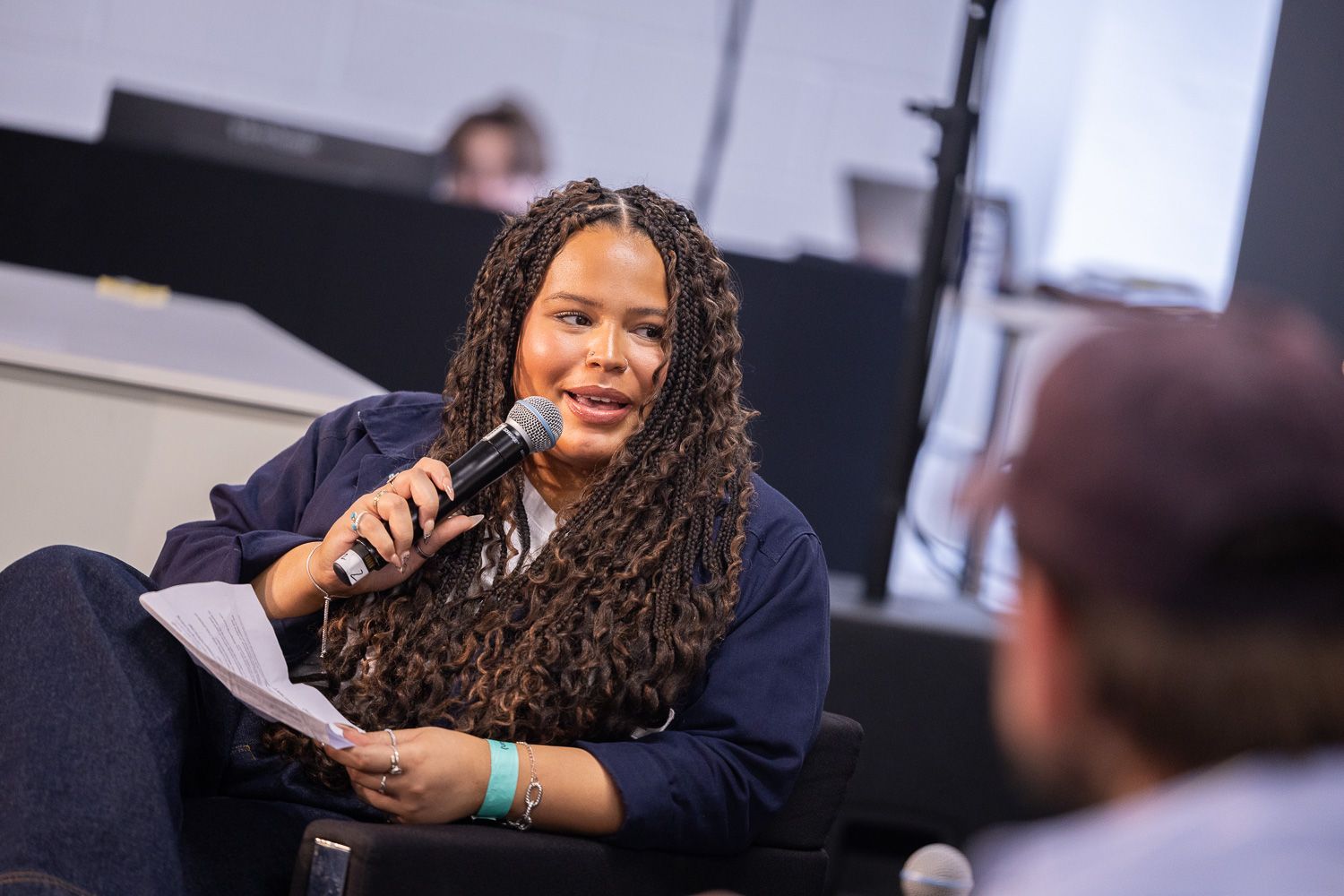
Based on the session “Women in coffee: Inspiring leaders showing the way” delivered at The London Coffee Festival, 2026.
- Speakers:
- Jess Wright, Sales & Marketing Director, Caravan Coffee Roasters
- Agnes Potter, Managing Director UK & Asia, Allpress Espresso
- Prue Freeman, Founder and Director, Daisy Green Collection
- Jennie Milsom, Commercial Content Editor, William Reed (moderator)
- Estimated read time: 11 minutes
Quick read summary
- Women in coffee have gained real ground in UK cafes and roasteries, yet the widest gap remains at source, where they do most of the work and own least of it.
- This matters now because the pressures at origin, from migration to unequal ownership, fall hardest on the women who hold producing communities together.
- The shift under way is from talking about representation to funding it, through buying rules and producer projects with measurable commitments.
- The panel’s leaders favour practical levers over slogans: women-run sourcing pledges, flexibility built around real lives, and open routes into the trade.
- Operators can start this week by auditing one thing: whether their hiring or their buying gives women a measurable way in.
At a coffee farm in Guatemala, the men have gone. Many have left for the United States and not returned, leaving the women to run households, hold communities together and manage the farms on top of everything else. Agnes Potter, Managing Director UK & Asia at Allpress Espresso, heard this directly from a Guatemalan exporter her roastery buys through, and the account set the tension beneath an otherwise hopeful discussion.
The London Coffee Festival panel on women in coffee celebrated genuine progress. It returned, repeatedly, to how unevenly that progress is shared between the cafe counter in London and the farm where the coffee begins.
How far have women in coffee really come?
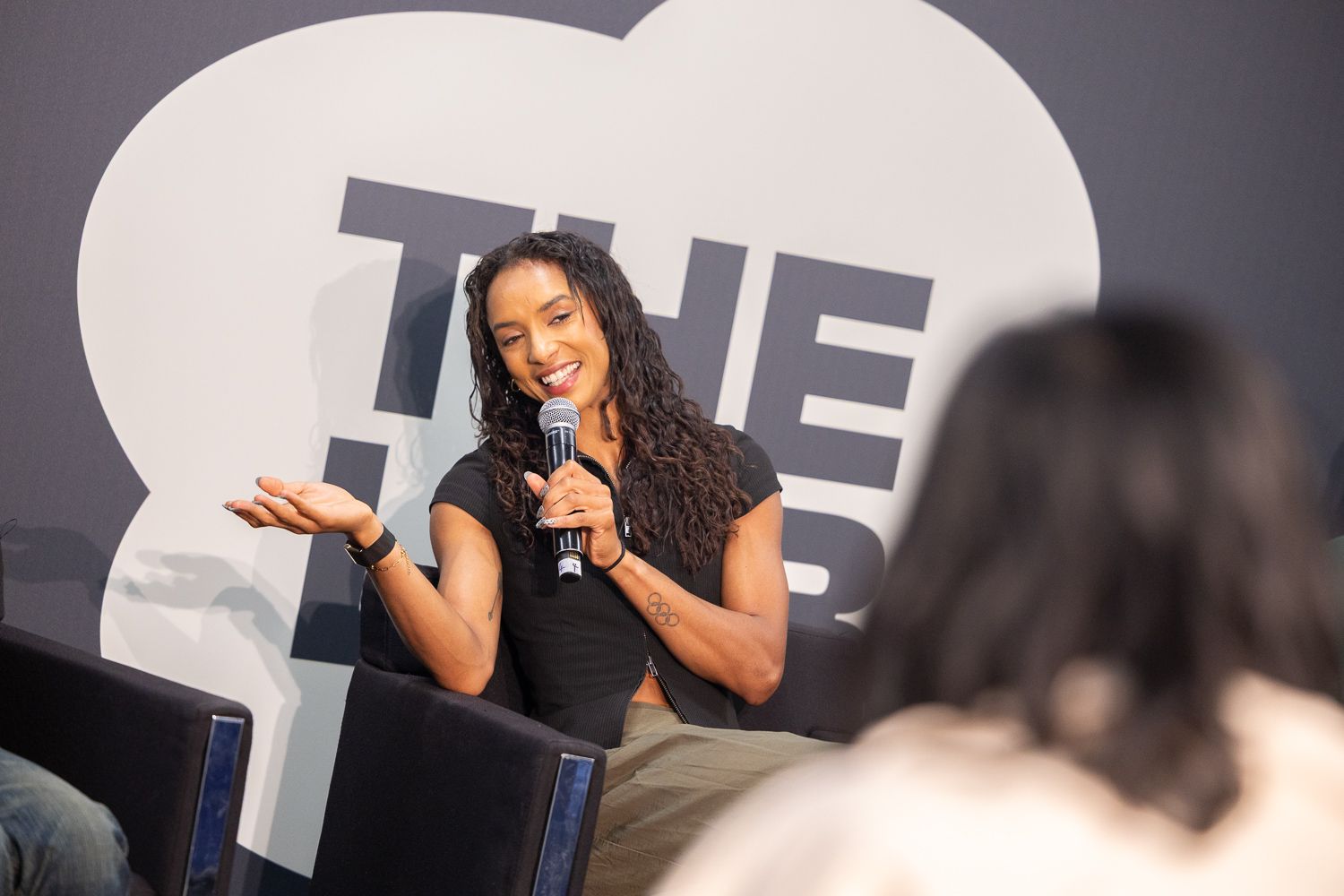 Progress in the UK trade is real and recent. Prue Freeman, Founder and Director of Daisy Green Collection, built her business from a kerbside street-food stall in 2012 into 18 cafes, most across London. She sees more women in senior roles than at any earlier point in her career, and credits a deliberate effort by those already established to open doors for the people behind them.
Potter agrees the sector has moved a long way, then widens the question from gender to representation across the board. Her argument rests on one mechanism above the rest, which is whether people can see themselves in the room before they ever apply.
I think if people don’t see themselves reflected in the industry, then they’re really unlikely to imagine a place for themselves within it.
That single idea reframes diversity in hospitality as a recruitment problem that begins long before recruitment, in who appears on stages, on packaging and behind the bar.
Why does the biggest gap sit at origin, not behind the counter?
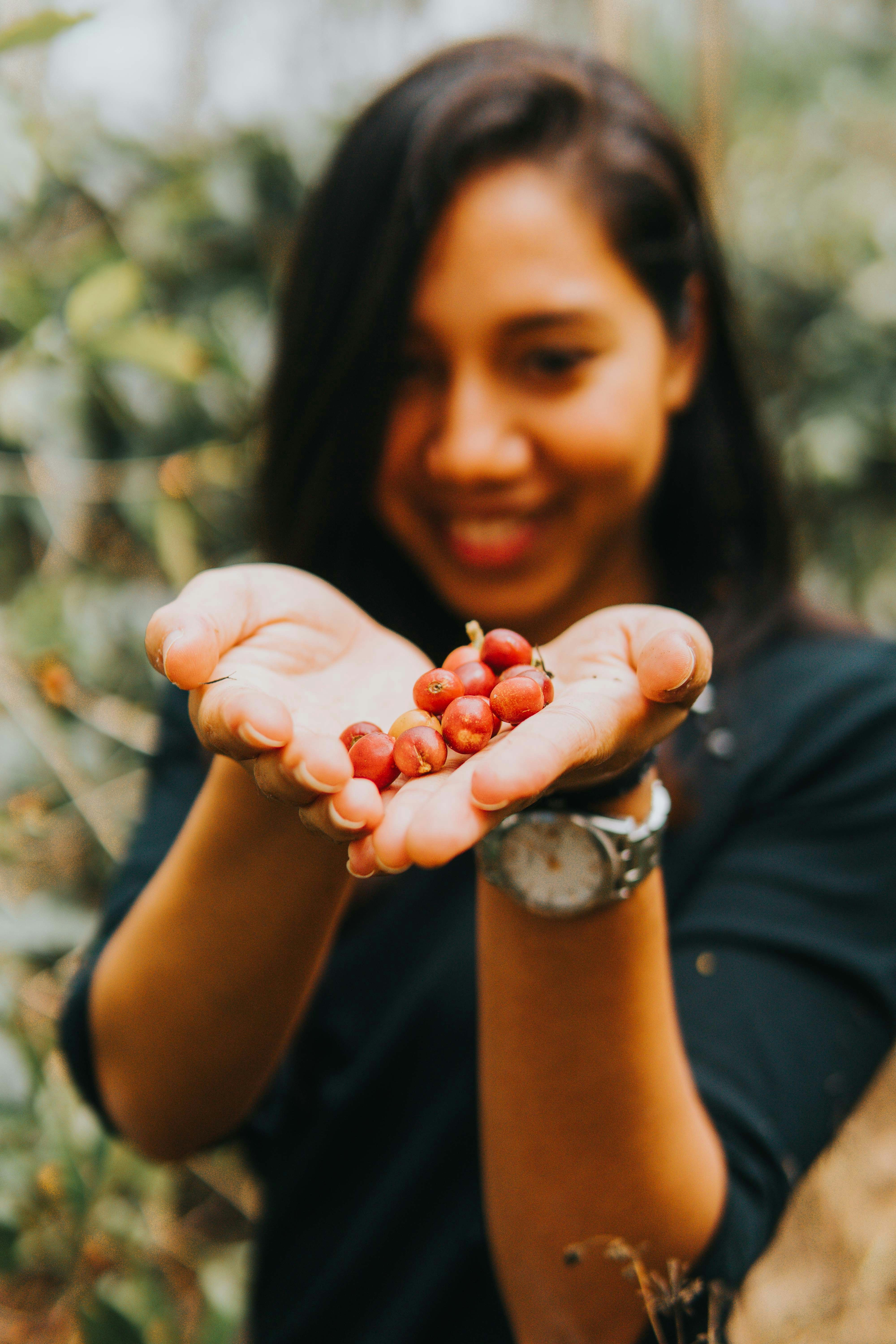 The sharpest inequality is not in London but in the countries where coffee is grown. Jess Wright, Sales & Marketing Director at Caravan Coffee Roasters, put numbers to it: women perform around 70 per cent of the labour in coffee production, yet hold roughly 30 per cent of ownership and managerial positions on those farms. Potter cited the same labour share from her own sourcing relationships.
Those causes compound. Where coffee is grown, the familiar expectations around childcare meet harder pressures such as conflict and migration, so the women left behind absorb both the farm work and the household. Potter described one response: Allpress worked with its Guatemalan exporter to build a school, so children are fed, cared for and taught while their mothers take on more of the business.
For a buyer in the UK, the implication is direct. A sourcing decision made in a London office shapes whether a woman on a farm sees any of the money her labour earns, which makes purchasing a gender question as much as a quality one.
What does ethical coffee sourcing actually look like?
Good intentions do not move money. Specific buying rules do. Wright described how Caravan turned the principle into a commitment with a number attached.
So at Caravan, we actually pledged to source 50 per cent of our coffee from co-ops run by women.
A target to buy 50 per cent of its beans from women-run co-operatives can be tracked, audited and missed publicly, which is what separates ethical coffee sourcing from a marketing line.
Beyond the pledge, Caravan donates a further 10p per kilo of that coffee to initiatives chosen by the women at source, through a partner charity. The projects are deliberately local. In one community in Peru, women farm guinea pigs for the domestic market to build a second income, while in Rwanda another project helped single mothers earn through basket-weaving, and the results drew in women across the wider community.
The lesson for roasters and green buyers is that the second income often matters more than the headline price. Giving female producers a separate, controllable revenue stream addresses the specific way money bypasses them at home.
Is flexibility the real lever for keeping women in the industry?
 Recruiting women into coffee is one task. Keeping them as their lives change is another. Freeman argued that rigid policy is the wrong tool for a small business, and that the better approach lets people design their own arrangements around the needs of the company.
Her model inverts the usual direction of travel. Rather than the employer offering a fixed scheme, the employee brings a plan, whether for a sabbatical, a return after having a child or a stretch of different hours, and the business works to support it. Freeman believes the people who need that flexibility are often the ones a business can least afford to lose.
Potter makes a connected point about culture. The risk is that opportunity flows to the most confident voices rather than the most capable people, and she works to stop that pattern taking hold at Allpress.
So making sure that those conversations happen with everyone so that it isn’t just the loudest people because I think that’s where you see a lot of people being sort of excluded or overlooked that are actually really talented and really capable as well.
For any manager, that is a prompt to check who is getting time and attention, not just who is asking for it.
Are women’s strengths being overlooked in commercial roles?
Wright pushed back on the idea that women must adapt to leadership. She argued the traits often coded as feminine are precisely what senior commercial and buying roles require.
So I think the sooner businesses recognise that and women recognise that those traits are perfect for those roles, the quicker we’ll have more progressive leadership teams and we’ll have better decision making because we’ve got very rational and empathic people at top of businesses.
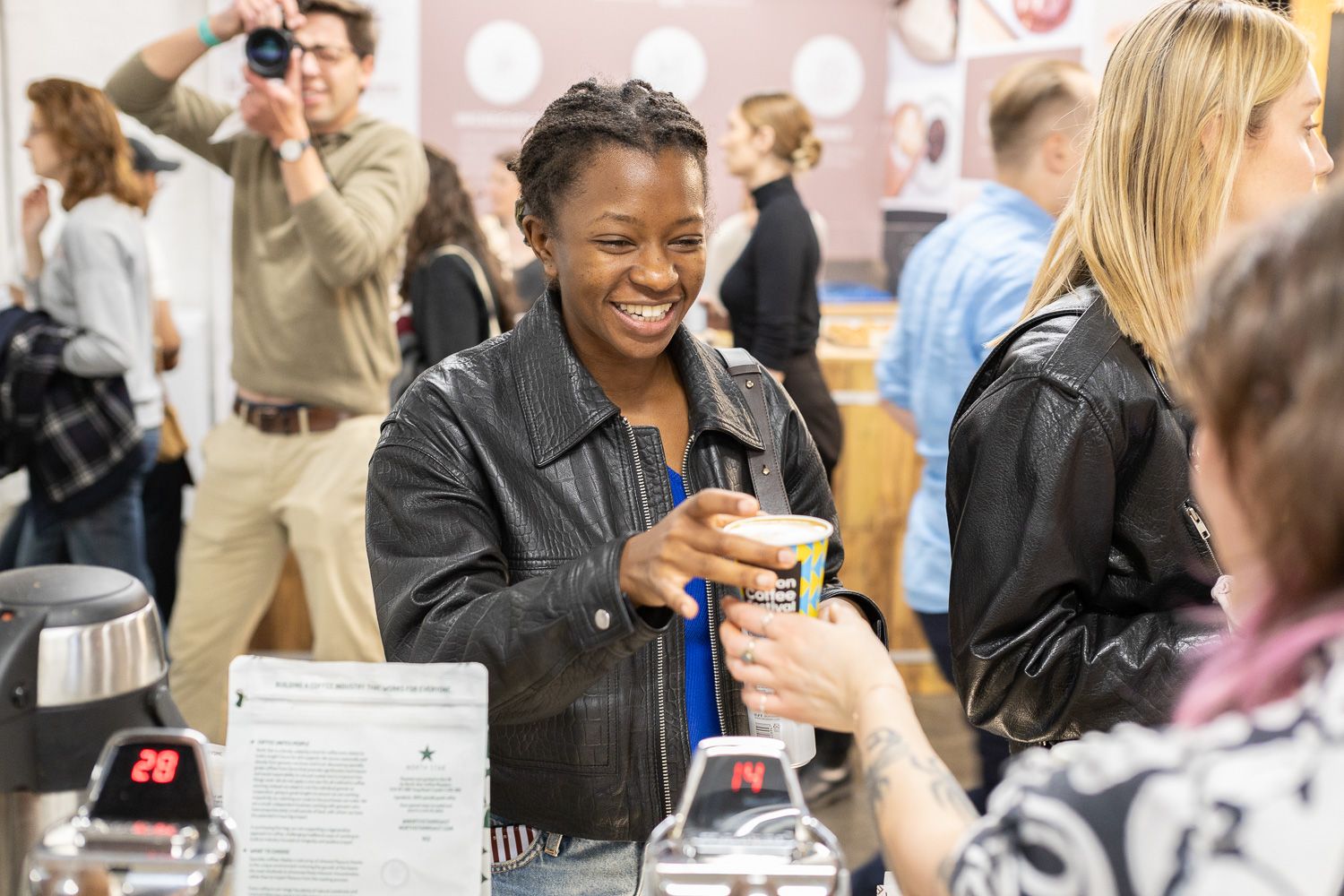 Read commercially, that is an argument about sharper buying and stronger teams, not only about fairness.
The panel also made the case in person. Freeman built Daisy Green Collection from a single street stall into a multi-site group, and Potter runs her own cafe in Spitalfields alongside her role at Allpress.
For women in business, and for female entrepreneurs weighing a move into coffee, the takeaway is that the sector now has visible women who started small and built from there.
Potter framed her own approach in the same spirit, describing women as natural leaders while noting she is not someone who pushes for attention. The combined message is that businesses lose talent when they reward who is loudest over who is most able, and that a quieter, fairer process surfaces people who would otherwise be missed.
What can coffee businesses do to widen access and keep women progressing?
The panel’s advice converts cleanly into a checklist an operator can act on:
- Make role models visible. Put women on your stages, packaging and social channels so newcomers can picture themselves in the work.
- Open a route in. Hire for attitude and train people who lack prior experience, rather than expecting them to arrive ready.
- Audit your buying. If you roast or source, set a measurable target for coffee bought from women-led farms, and report against it.
- Let people shape how they work. Invite staff to propose how flexible working could fit their lives and the business, instead of imposing one scheme on everyone.
- Protect the quiet performers. Run progression conversations with everyone, so opportunity does not default to the loudest.
Freeman’s advice to anyone starting out was simple and exacting, and it applies equally to employers deciding whom to back.
You know, I do think that the first three months of anything you do sets the tone for the rest of how you’re going to do things.
Used well, that points a manager to where support counts most: at the start, when habits and confidence are set.
Should the goal be to stop talking about women in coffee?
The most pointed moment came when an audience member asked how the conversation moves beyond gender to involve men and boys, what she called gender transformation.
Wright had already named the ambition in her own terms, saying the real win would be a future in which a panel like this one seemed unnecessary.
Potter agreed that three women leaders discussing the trade should one day be unremarkable, while widening the goal to every form of inclusion the sector still lacks. The honesty of the panel was that this point has not arrived, and that the unfinished work is concentrated where the coffee is grown.
What this means for coffee professionals
- Roasters and green buyers: set a tracked target for sourcing from women-led farms, and consider a per-kilo contribution to producer-led projects rather than relying on price alone.
- Cafe operators: replace fixed flexibility policies with a standing invitation for staff to propose arrangements, and review who receives progression conversations each quarter.
- Hospitality leaders hiring for senior roles: weigh empathy and relationship-building as commercial competencies for buying and management positions, not soft extras.
- Brand and marketing teams: feature real women across the business in public-facing content, since who is seen shapes who applies.
FAQ
- Why does diversity matter for the coffee industry? Speakers argued that visible representation determines who enters the sector at all, because people rarely pursue careers they cannot see themselves in. Wider representation is also presented as a commercial advantage, improving the quality of leadership and buying decisions.
- How can someone get into the coffee industry without experience? Look for employers that train people up rather than demanding prior experience, since several operators on the panel hire for attitude and develop from there. Wright herself moved into coffee after a career in food and drinks, which shows the way in is rarely linear.
- What is ethical coffee sourcing in this context? Here it means buying decisions designed to put money into the hands of female producers, for example pledging a share of purchases to women-run co-operatives and funding producer-led income projects. The emphasis is on measurable commitments and a second income, not only on the price paid.
- What can women starting a coffee business learn from the panel? Freeman and Potter both built businesses from small beginnings, Daisy Green from a market stall and Potter & Reid as an independent cafe, which shows the route is open to female entrepreneurs without a corporate backer. Their shared advice was to start with the work itself, since Freeman argued the first three months set the tone, and to build support and hours around the people you most want to keep.
Conclusion
The optimism in the room was earned, but it was never the whole story. The leaders on this panel agreed the UK trade is changing, while insisting the decisive gap now lies at source, where women do most of the labour and control least of the return.
Wright’s measure of success was not another panel but the day one becomes unnecessary, and on the evidence of the farms her roastery buys from, that day will be settled at origin long before it is settled in London.
To follow the festival’s trade programme and future sessions like this, join the London Coffee Festival mailing list. Brands and roasters that want to reach this audience in person can submit a stand enquiry for the next edition.
About our speakers
Jess Wright
Sales & Marketing Director, Caravan Coffee Roasters
Wright leads sales and marketing at the London roaster Caravan, having moved into coffee around four years ago after a career across the food and drinks sector. She oversees the company’s buying commitments, including its pledge to source half its coffee from women-run co-operatives and its producer-led projects in Peru and Rwanda.
Agnes Potter
Managing Director UK & Asia, Allpress Espresso
Potter runs the UK and Asia business for the specialty coffee roaster Allpress, whose London sites include its Dalston roastery cafe and a new espresso bar in Farringdon, and she has worked in hospitality since her early teens. She also co-founded Potter & Reid, an independent cafe in Spitalfields, with Dani Reid. Her authority comes from managing sourcing relationships at origin and building recruitment and retention practice across a multi-site operation.
Prue Freeman
Founder and Director, Daisy Green Collection
Freeman founded Daisy Green in 2012 and grew it from a single street-food stall into a collection of 18 London cafes. As an owner-operator she speaks from direct experience of designing flexible working and progression around the realities of a growing hospitality business.
Jennie Milsom
Commercial Content Editor, William Reed
Milsom chaired the panel.
Based on a session delivered at The London Coffee Festival 2026. Edited from the original transcript for clarity, structure and long-term reader value.
)
)
)
)
)
)
)
)
)
)
)
)
)
)
)
)
)
)
)
)
)
)
)
)
)
)
)
)
)